Choosing the Right Gym for You: A Comprehensive Guide
- FitnessFirstAcademy

- Jan 10, 2025
- 5 min read

Selecting the right gym can transform your fitness journey, helping you stay consistent, motivated, and on track toward your goals. With so many gym types to choose from, it’s important to understand their unique features, environments, and benefits. Whether you're a beginner, a frequent traveler, a bodybuilder, a CrossFit enthusiast, an athlete in training, or someone who enjoys the finer things in life, this guide will help you make an informed choice.
1. Gyms for Beginners

Beginner-friendly gyms are designed to create a comfortable, non-intimidating environment for those new to fitness. Examples like Planet Fitness emphasize inclusivity with their “Judgment-Free Zone” philosophy, making them a great choice for starting your fitness journey. Key features include:
Affordable Memberships: Low-cost plans with no hidden fees make these gyms budget-friendly.
Simple, User-Friendly Equipment: Machines are clearly labeled and easy to operate, which is great for building confidence.
Free Introductory Training Sessions: Many beginner gyms offer free consultations or group classes to teach you the basics of working out.
Who They’re Best For: Beginners, casual exercisers, and those looking to build a foundation in a supportive, no-pressure environment.
Key Differences: These gyms focus on simplicity, low costs, and fostering a welcoming vibe, but they may lack advanced equipment or specialized training options.
2. Commercial Gyms

Commercial gyms cater to a wide audience, offering a mix of equipment, group classes, and amenities. Well-known names like LA Fitness, Gold’s Gym, and 24 Hour Fitness dominate this category. Their popularity comes from their versatility and convenience:
Extensive Equipment Options: A balance of free weights, machines, and cardio equipment ensures variety for all fitness levels.
Group Fitness Classes: Programs like yoga, spin, Zumba, and HIIT classes cater to social fitness enthusiasts.
Multi-Location Access: Many offer memberships that let you work out at different locations nationwide or even internationally.
Additional Amenities: Luxuries like swimming pools, saunas, basketball courts, and smoothie bars make these gyms a lifestyle choice.
Who They’re Best For: Those seeking variety, convenience, or a mix of strength and cardio options.
Key Differences: Commercial gyms prioritize flexibility and offer something for everyone, but they can become crowded during peak hours and may lack a specialized focus for advanced training.
3. Bodybuilder Gyms
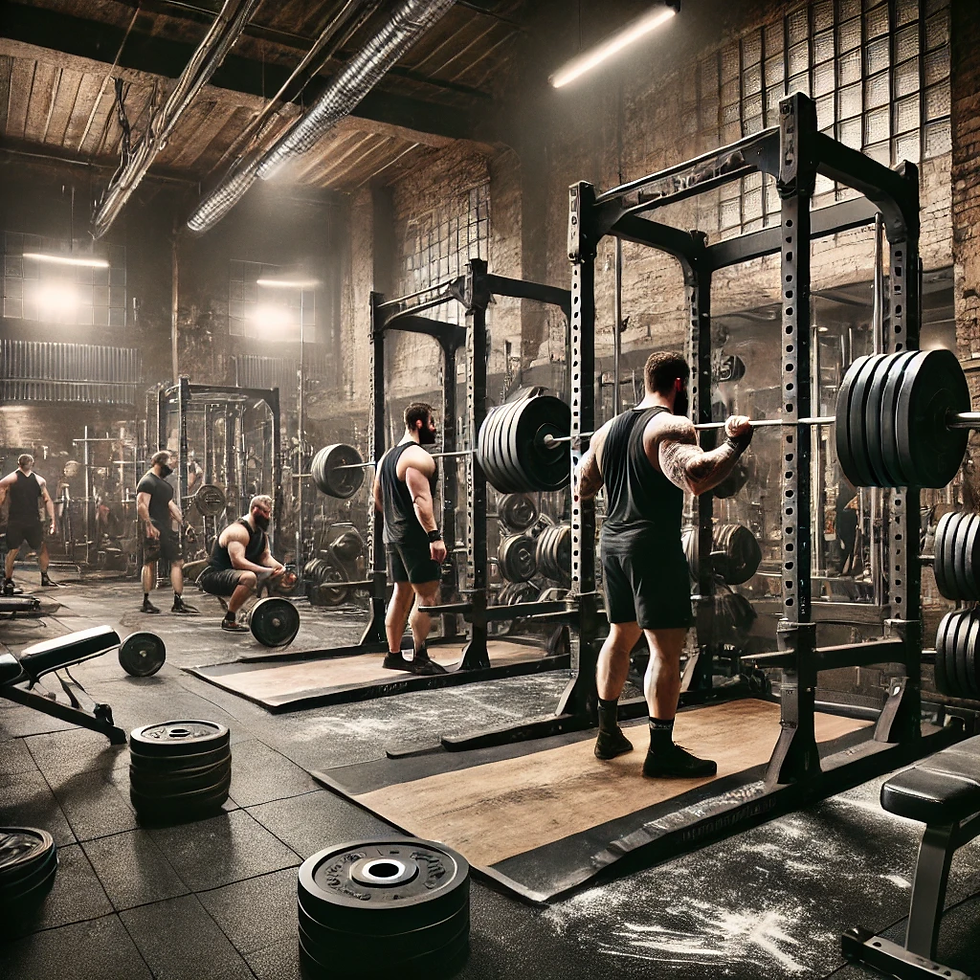
For those serious about building muscle, bodybuilder gyms provide a no-frills, highly focused environment. These gyms are often independently owned and cater to strength trainers and powerlifters. Key characteristics include:
Heavy-Duty Equipment: Multiple squat racks, deadlift platforms, and specialized strength machines dominate the gym floor.
Free Weights Galore: Bodybuilder gyms prioritize free weights over machines, with dumbbells and barbells in a wide range of weights.
Intense Atmosphere: The clientele often includes serious lifters who are focused on their goals and training with intensity.
Who They’re Best For: Bodybuilders, powerlifters, and anyone serious about strength training.
Key Differences: Unlike commercial gyms, these gyms don’t typically offer group classes or cardio machines. Their focus is exclusively on heavy lifting and advanced equipment.
4. CrossFit Gyms

CrossFit gyms, also known as “boxes,” are community-driven fitness spaces designed for high-intensity functional training. These gyms specialize in dynamic workouts that challenge both strength and endurance. Features include:
Functional Fitness Equipment: Expect kettlebells, battle ropes, pull-up bars, Olympic lifting platforms, and medicine balls.
Structured Group Workouts: Sessions are led by certified CrossFit coaches and focus on a mix of olympic weightlifting, gymnastics, and cardio exercises.
Community Support: A defining feature is the camaraderie among members, who often encourage and cheer each other on during workouts.
Who They’re Best For: Individuals who enjoy high-intensity, team-based workouts and thrive in a supportive, competitive environment.
Key Differences: Unlike traditional gyms, CrossFit boxes don’t have rows of cardio machines or traditional isolation machines. Instead, the focus is on full-body, functional movements and achieving personal records.
5. Athletic-Style Gyms

Athletic training gyms cater to those looking to enhance performance in sports or improve functional fitness. These gyms often resemble professional training facilities and are packed with performance-focused equipment. Features include:
Sports-Specific Training Programs: Coaches design programs tailored to athletes' goals, such as improving speed, agility, and power.
Unique Equipment: Sleds, resistance bands, plyometric boxes, and agility ladders are common tools for functional training.
Coaching Expertise: Trainers with backgrounds in athletic performance guide you through drills and exercises designed for movement efficiency.
Who They’re Best For: Athletes, sports enthusiasts, and individuals training for competitive performance.
Key Differences: Athletic gyms focus on functional movement and sport-specific skills, which sets them apart from bodybuilding or general fitness gyms.
6. Luxury Gyms

Luxury gyms combine high-end fitness facilities with a premium lifestyle experience, offering a balance of convenience, comfort, and exclusivity. Examples like Equinox, Life Time Fitness, and The Bay Club excel in providing a luxurious environment. Key features include:
Top-Tier Amenities: Steam rooms, saunas, hot tubs, and saltwater pools are common.
Immaculate Facilities: Spotless locker rooms, private showers, and high-end toiletries.
Towel Service: Complimentary fresh towels are provided, saving you the hassle of bringing your own.
Personalized Training: Access to elite personal trainers and tailored programs.
Wellness Offerings: Some luxury gyms also include on-site spas, massage therapists, and even nutrition counseling.
Exclusive Fitness Classes: Specialized classes like Pilates Reformer, barre, and dance are often included or available at an extra charge.
Who They’re Best For: Professionals, individuals with higher budgets, and those seeking a fitness experience that feels like a getaway.
Key Differences: These gyms focus on providing a luxurious, resort-like atmosphere, with more attention to detail in cleanliness, amenities, and member experience. However, membership costs are significantly higher than other gym types.
7. Boutique Gyms

Boutique gyms focus on specialized fitness experiences, offering classes like pilates, yoga, barre, cycling, or boxing. These gyms excel in creating immersive, instructor-led sessions. Features include:
Intimate Atmosphere: Smaller class sizes allow for personalized attention.
High-Quality Instruction: Trainers and instructors are often specialists in their field.
Community Vibe: Like CrossFit, boutique gyms often foster a strong sense of community.
Who They’re Best For: People who prefer guided workouts and enjoy a particular niche, like yoga or spin classes.
Key Differences: Unlike traditional gyms, boutique gyms typically focus on one specific style of workout and may lack general-purpose equipment.
Comparing the Gyms
Feature | Beginner Gyms | Commercial Gyms | Bodybuilder Gyms | CrossFit Gyms | Athletic Gyms | Luxury Gyms | Boutique Gyms |
Atmosphere | Non-intimidating | Versatile, diverse | Intense, focused | Supportive, competitive | Professional, focused | Upscale, relaxing | Intimate, niche |
Equipment Variety | Basic machines | Broad selection | Free weights, heavy | Functional fitness gear | Sports-specific gear | Premium, cutting-edge | Specialized tools |
Group Classes | Basic options | Wide variety | None | Structured WODs | Sports drills | Exclusive offerings | Focused on specific style |
Ideal For | Beginners | General fitness | Strength-focused | High-intensity fans | Athletes | Professionals & luxury lovers | Enthusiasts of niche fitness |
Final Thoughts
The right gym can make all the difference in your fitness journey. Visit potential gyms, explore free trials, and consider your goals and preferences. Whether you're looking for a welcoming place to start, a versatile hub for diverse workouts, a specialized facility, or a luxury experience, there’s a gym out there that’s perfect for you.
What’s your ideal gym, and why? Share your thoughts and experiences in the comments below!

About the Author
Alexander Morrow is a NASM Certified Personal Trainer, ACE Certified Personal Trainer, ACE Certified Group Fitness Instructor, NCSF Certified Strength & Conditioning Coach & ACE Fitness Nutrition Specialist with a passion for helping people reach their fitness goals. With a focus on strength training and functional movement, he believe in building a strong, capable body from the inside out. Connect with @FitnessFirstAcademyF1A on Instagram or visit www.FitnessFirstAcademy.com/blog for more training tips and inspiration.
Get Ready to Feel Strong and Powerful


Comments